

Peter and the star catcher – a review

Peter Pan, Pirates, and the Perils of Growing Up
Look, I don’t want to be dramatic (oh, who am I kidding), but Peter and the Starcatcher at Sydney’s Capitol Theatre is nothing short of a theatrical miracle. It’s the kind of show that reminds you why live theatre exists in the first place because sometimes, the sheer joy of storytelling is enough to make you believe in magic, even without a single CGI effect in sight.
From the moment you step into the grand old Capitol Theatre, there’s a buzz in the air. And then, the lights go down, the stage transforms, and suddenly you’re no longer in Sydney, you’re aboard a creaking ship, caught between stormy skies and uncharted waters, where boys become heroes, pirates become legends, and childhood itself is a currency too precious to keep.
A Prequel With Purpose
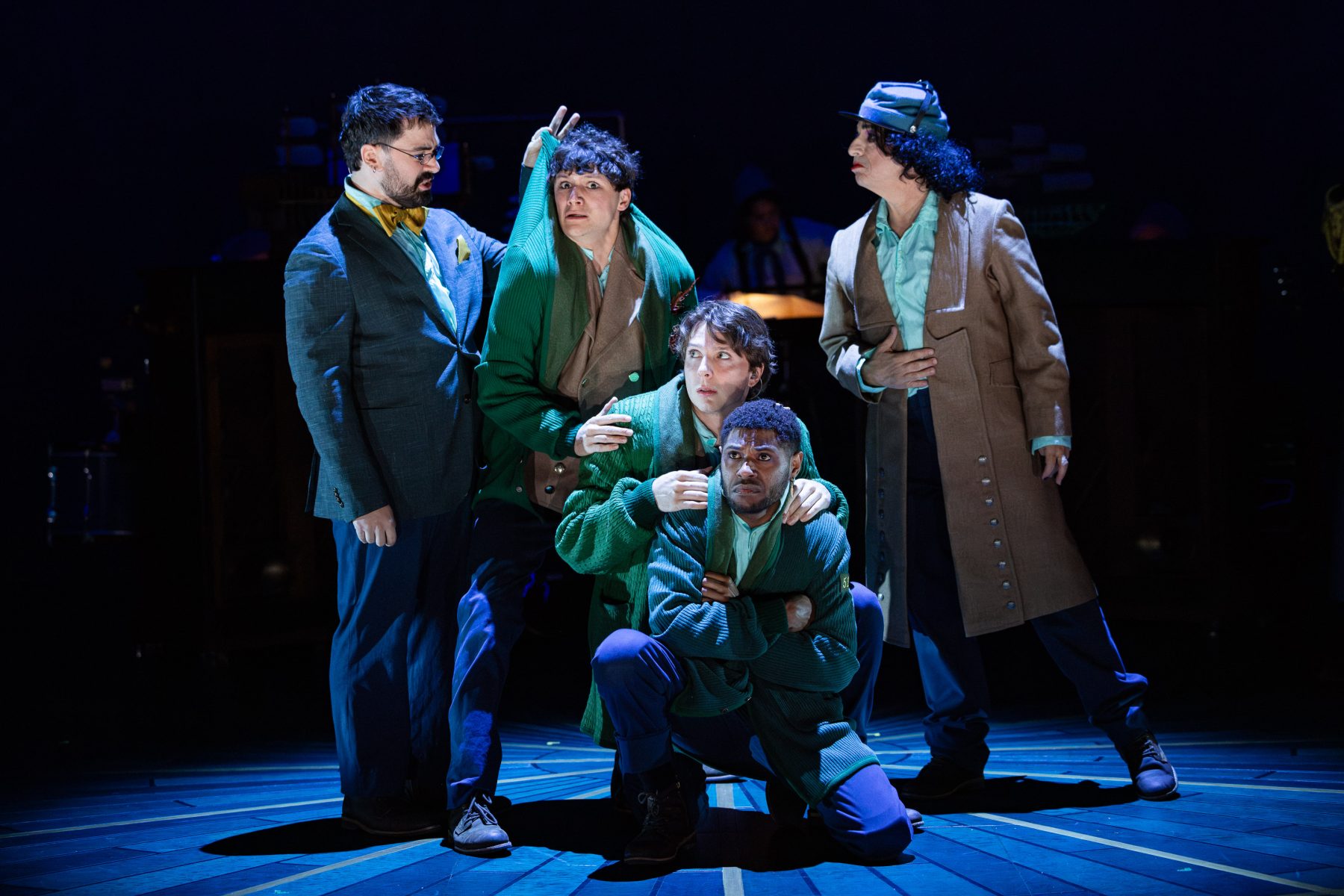
Prequels have a terrible habit of answering questions nobody asked (cough Star Wars cough), but Peter and the Starcatcher is different. It doesn’t feel like a cash grab or an afterthought it feels like a lost chapter that was always there, waiting to be told. Adapted from the novel by Dave Barry and Ridley Pearson, this is Peter Pan before he was Peter Pan before Neverland, before the Lost Boys, before all the flights and fights and fairy dust.
Instead of Wendy, we get Molly (the luminous Olivia Deeble), an apprentice Starcatcher entrusted with guarding a mysterious substance called “starstuff” essentially fairy dust before branding got involved. She’s brave, whip-smart, and so determined she could probably run the entire British Empire by the time she’s fifteen. And then there’s Peter (Otis Dhanji), a nameless orphan with no dreams, no magic, and no particular reason to believe in anything. Yet.
The Cast: A Chaos Engine of Brilliance
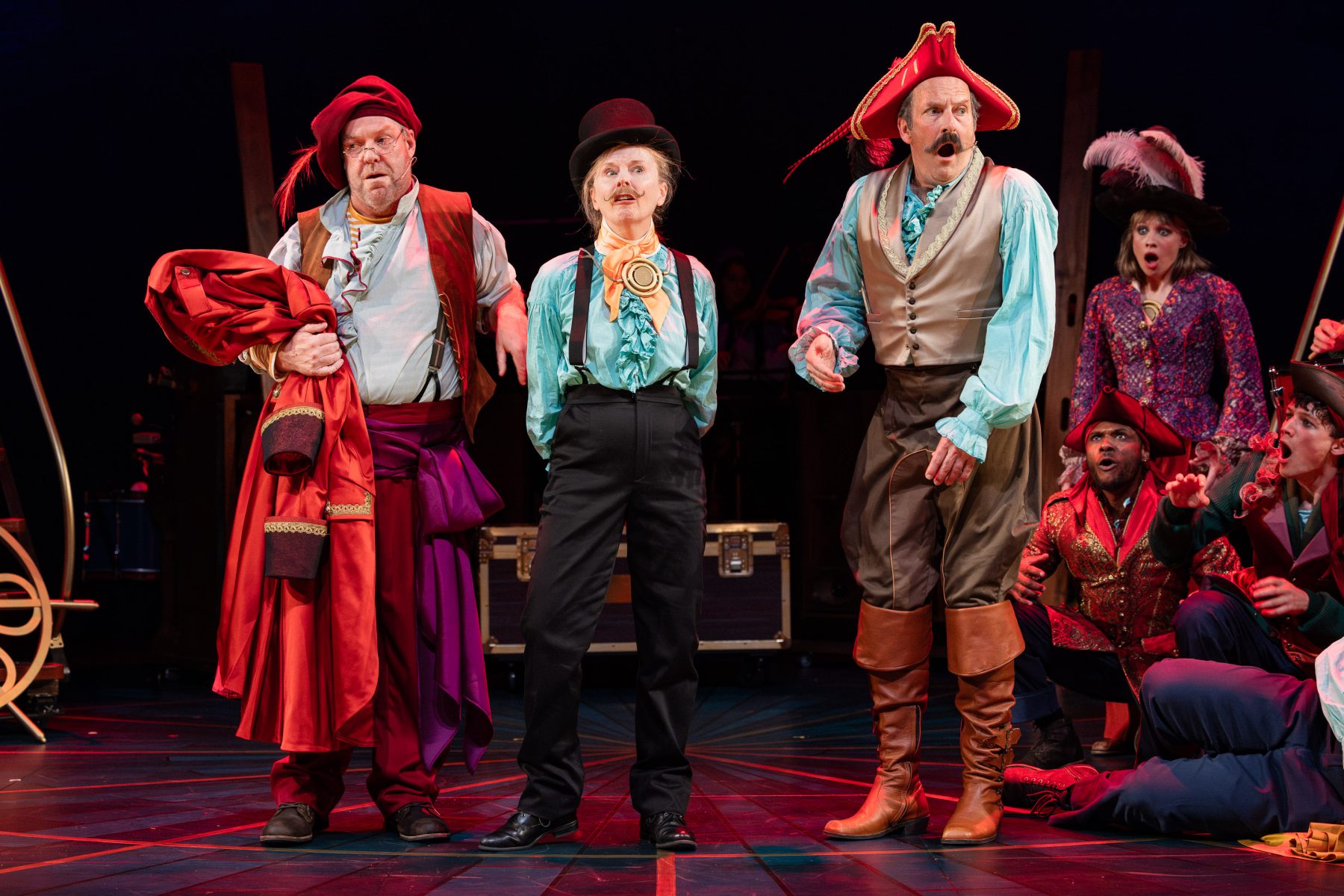
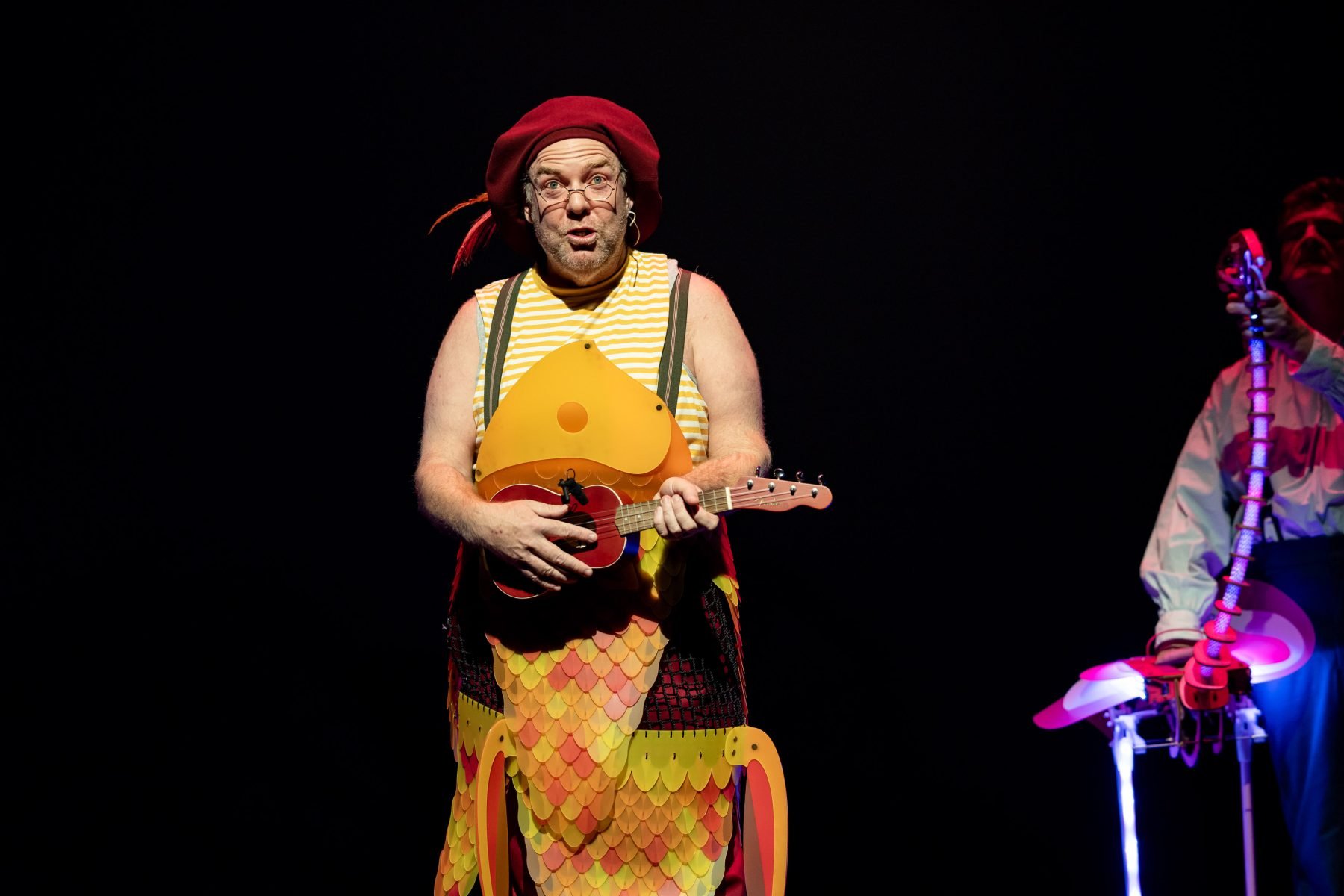
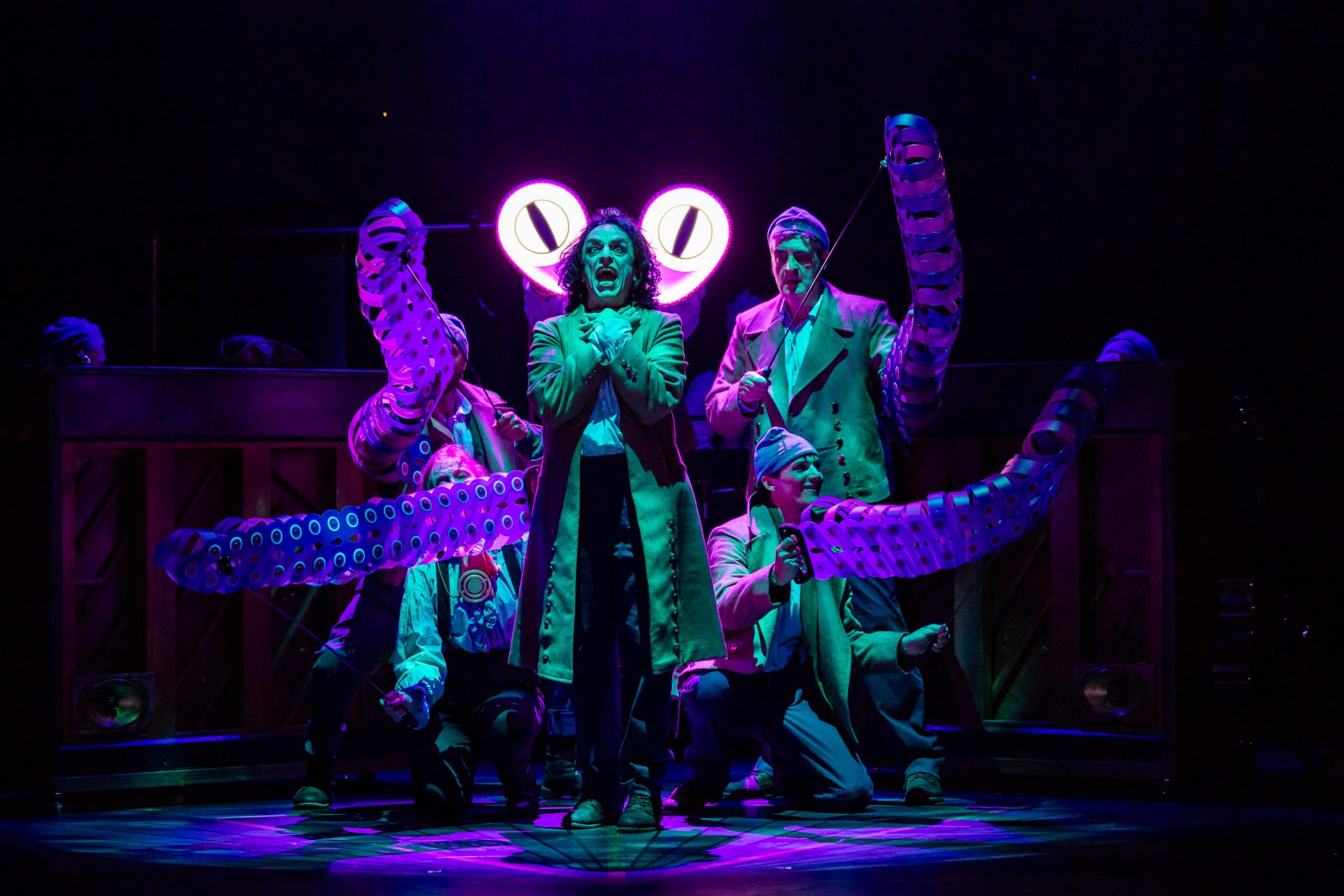
It would be criminal to talk about this production without immediately addressing Colin Lane as Black Stache, the pirate on the verge of becoming Captain Hook. He delivers a performance so gloriously unhinged that it feels like watching a man unravel in real-time but in the best, funniest possible way. Every ridiculous aside, every exaggerated eye twitch, every moment of over-the-top villainy is laced with the knowledge that this character is trying so hard to be intimidating and failing so beautifully that you can’t help but root for him.
Meanwhile, Peter Helliar’s Smee is exactly the kind of long-suffering, underappreciated sidekick that makes you wonder how evil masterminds ever get anything done. He’s dry, deadpan, and so done with everything that it’s a miracle he hasn’t mutinied and started a self-help podcast about workplace boundaries.
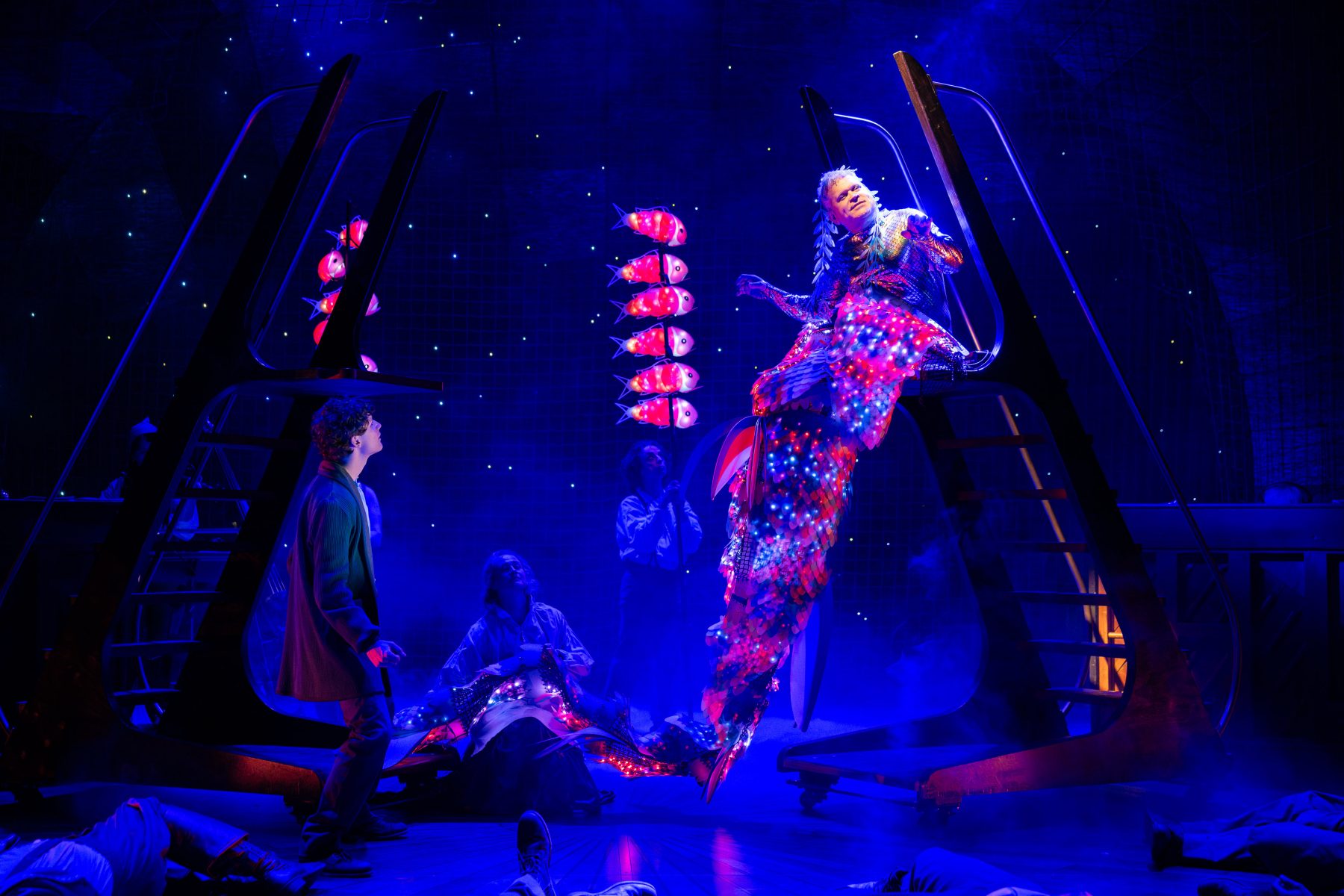
Paul Capsis appears in multiple roles, each more deliciously theatrical than the last, while Ryan González as Fighting Prawn steals every scene he’s in with a gloriously bizarre energy that makes you wonder if this is the performance that will finally get pantomime banned in Australia.
And then there’s Peter himself. Otis Dhanji plays him with just the right mix of vulnerability and defiance, a kid who has spent his whole life being forgotten, slowly realising that maybe, just maybe, he could be something more. He doesn’t arrive at heroism with a grand speech or a dramatic transformation, it’s gradual, messy, and entirely earned.
The Theatre Magic That Makes It Work
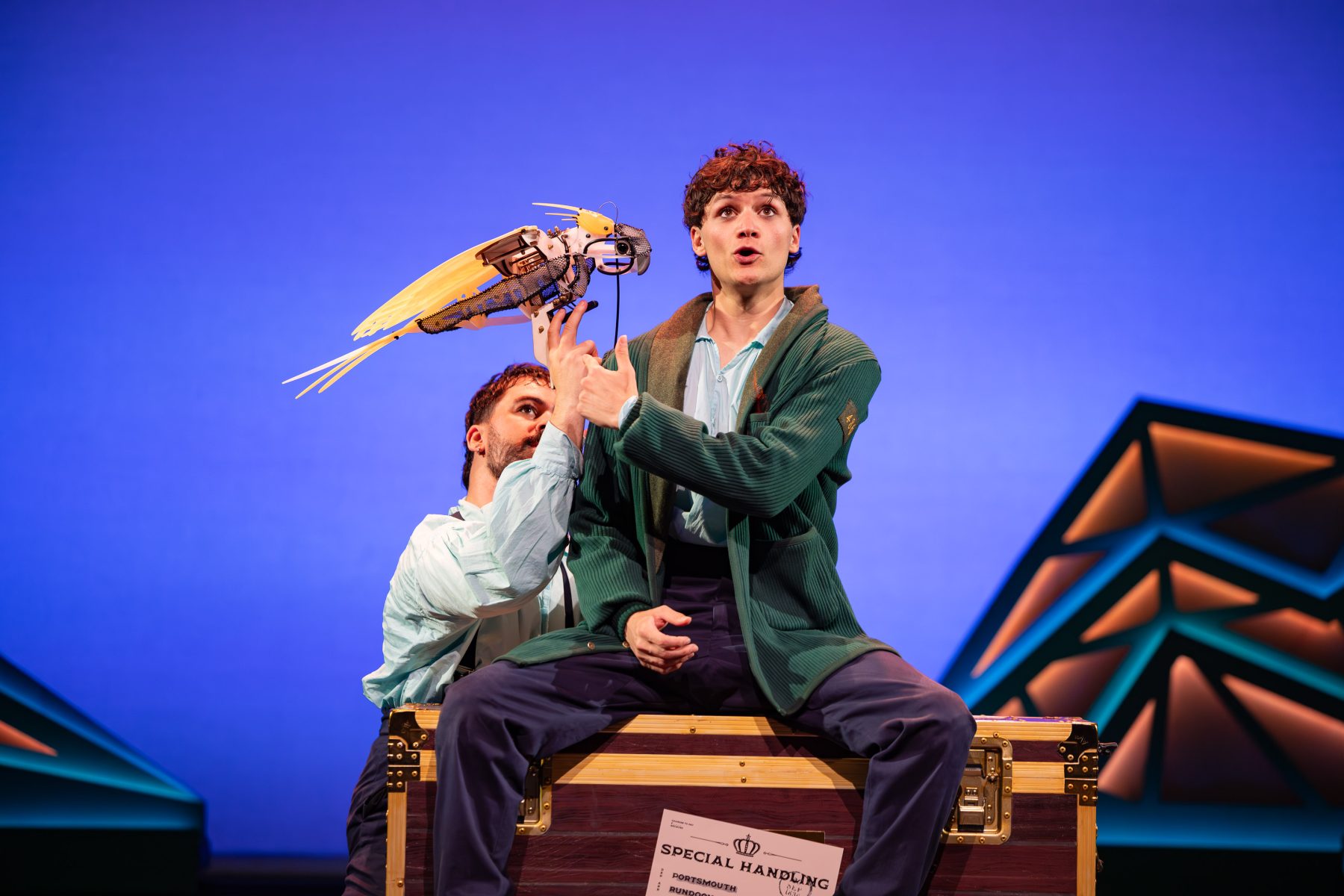
Director David Morton and the team at Dead Puppet Society have worked pure alchemy here. Instead of relying on big-budget effects, they lean into theatre’s greatest trick, imagination. With a few ropes, some clever lighting, and sheer stagecraft, they transform wooden planks into pirate ships, islands, and starry night skies. Puppets become monstrous crocodiles, tiny birds, and glowing lockets of magic.

And that’s the thing. This show knows it’s a show. It plays with the audience, winks at the ridiculousness of it all, and fully embraces the kind of joyous, over-the-top storytelling that makes live theatre such a thrill. The script is packed with rapid-fire jokes, some for the kids (plenty of slapstick and fart jokes), some for the adults, and some for the pure theatrical nerds who understand the kind of people who sit around making Pirates of Penzance references.
But Then, The Heartbreak
For all its absurdity and comedy, Peter and the Starcatcher carries a quiet sadness underneath. Because this isn’t just a story about how Peter Pan learned to fly, it’s about how he had to. It’s about a boy who was so used to being abandoned that he finally decided to abandon the world first. Molly saves him, shows him kindness, gives him something to believe in… and then, she leaves. Because that’s what growing up is.
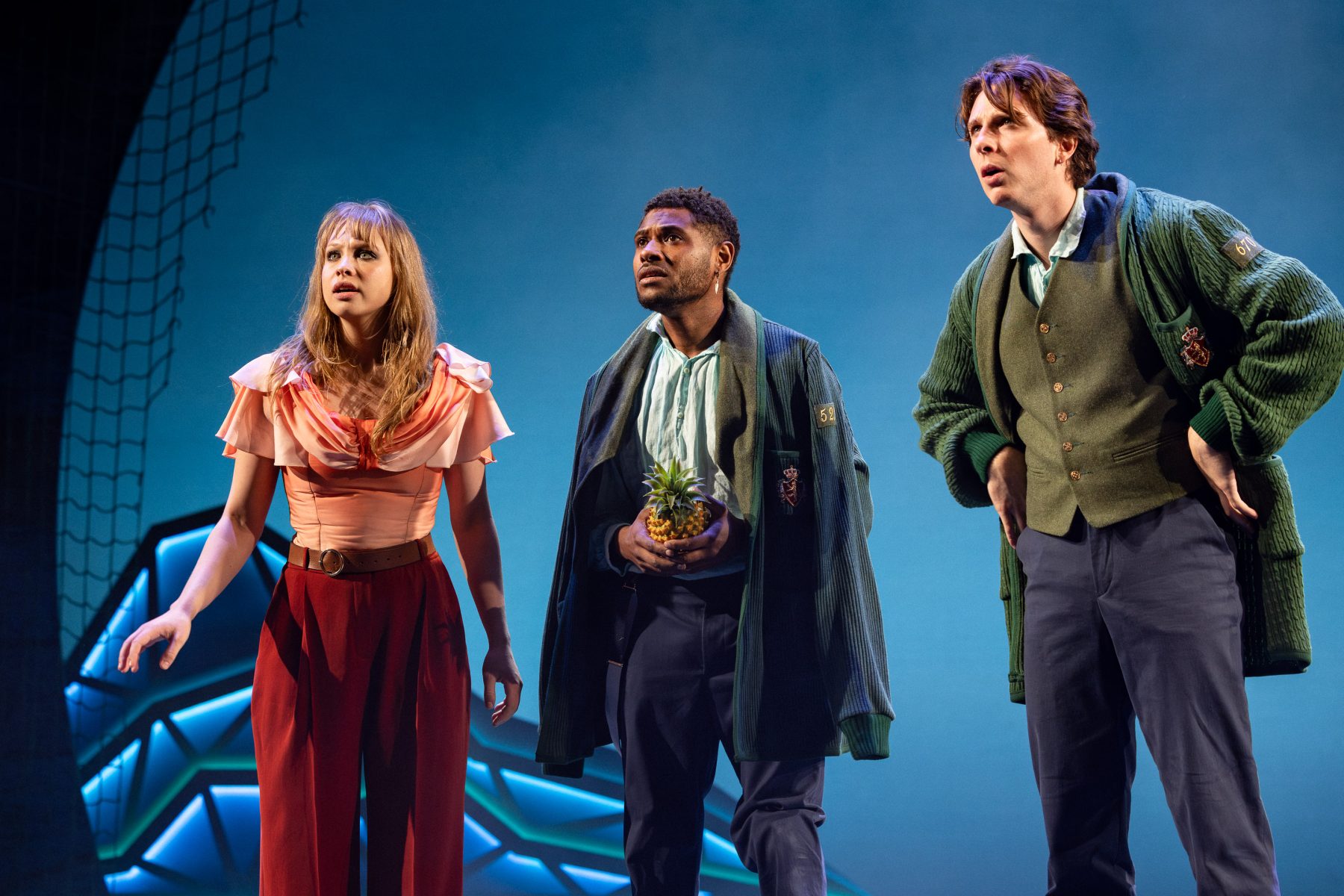
And that’s when it hits you. This is a story about all of us. The moment childhood slips away. The moment we realise we can’t go back. Peter gets his wings, but he loses something, too. And as the final scene plays out, you suddenly understand why he never wants to grow up, because growing up means saying goodbye.
Final Verdict: Go, Go, Go
If you love theatre, go. If you love laughter, go. If you love adventure, go. Peter and the Starcatcher is a riotous, heartfelt, gloriously chaotic ode to storytelling itself. It’s a celebration of the ridiculous, the wondrous, and the bittersweet magic of childhood.
By the time you leave the Capitol Theatre, you’ll be grinning. Maybe a little teary. Maybe quietly wondering if you, too, should’ve held onto that last scrap of childhood just a little longer.
And honestly? That’s the best kind of magic there is.


