
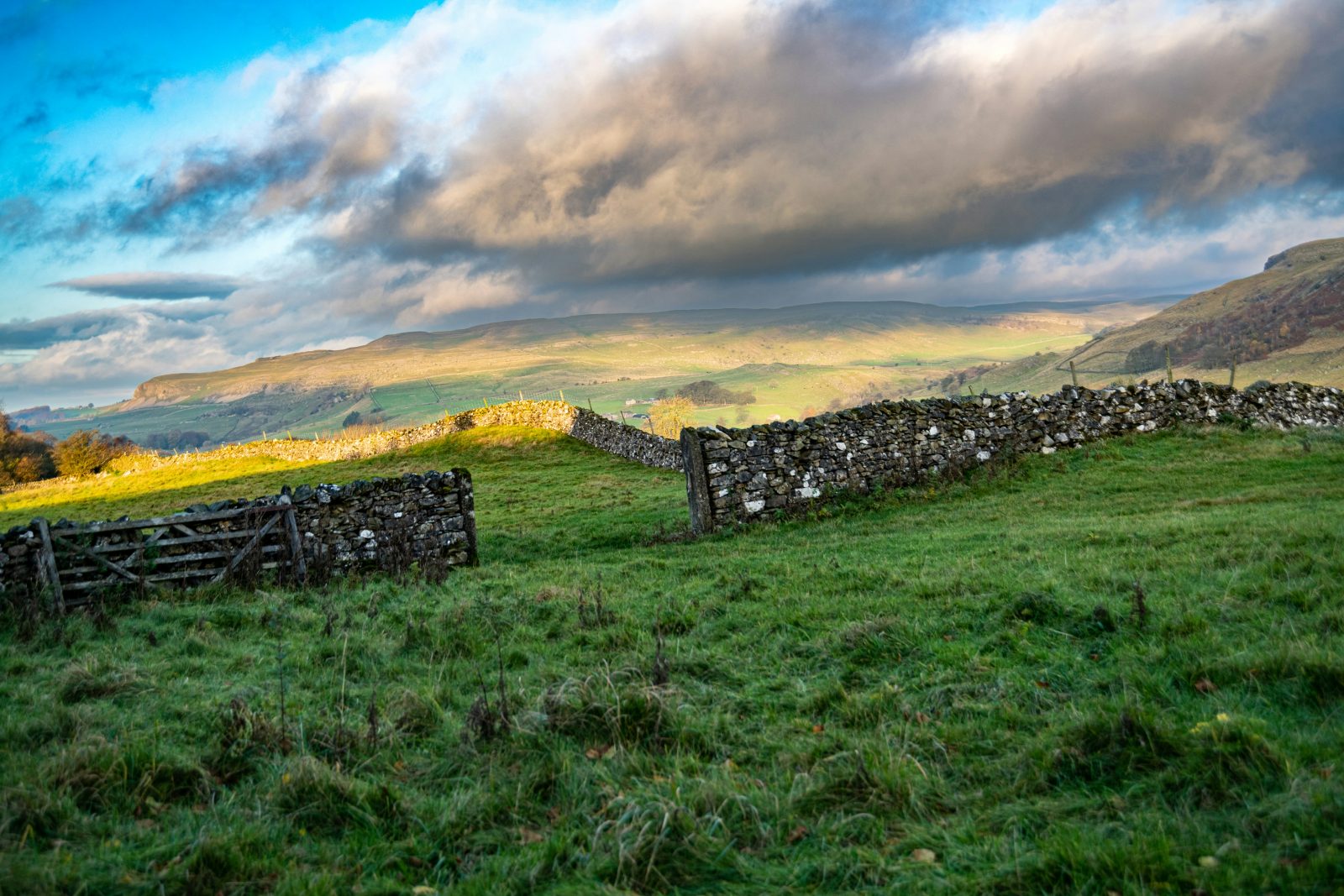
Margot Robbie’s Wuthering Heights
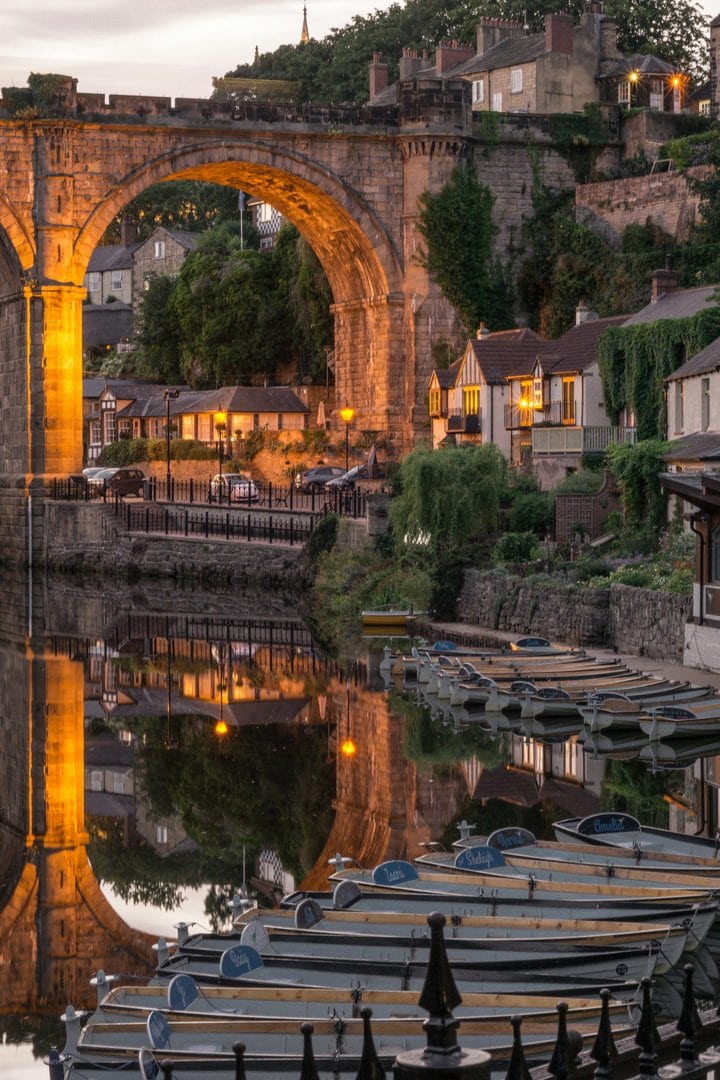
How to Visit the Filming Locations of Wuthering Heights
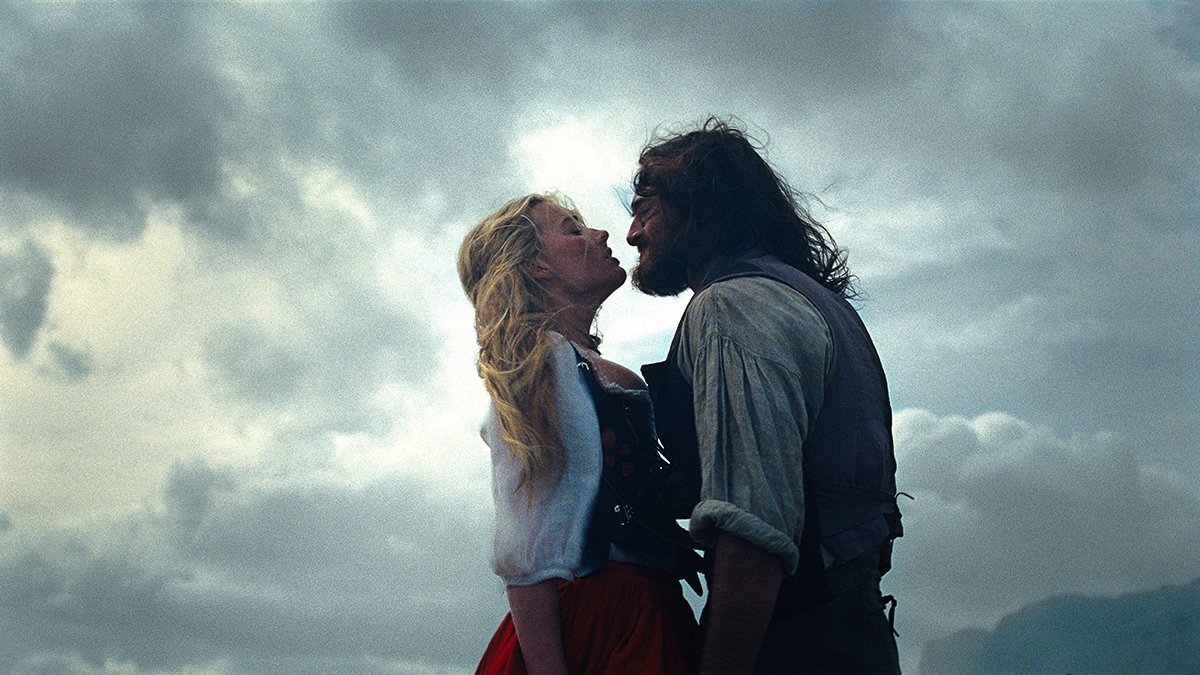
There are holidays where you return refreshed and marginally more interesting at dinner parties. And then there are holidays where you stand on a rock in Yorkshire whispering, “Heathcliff,” while a sheep watches you with quiet, professional concern.
This is that holiday. Because visiting the filming locations of Wuthering Heights is not like visiting Paris, where you eat croissants and feel attractive. Nor is it like visiting Italy, where you drink wine and develop unrealistic expectations about linen trousers. No. This is Yorkshire. The emotional equivalent of walking directly into someone else’s unresolved trauma.
It is windswept. It is bleak. It is magnificent.
And it is absolutely impossible to behave normally there.
Healaugh Crag
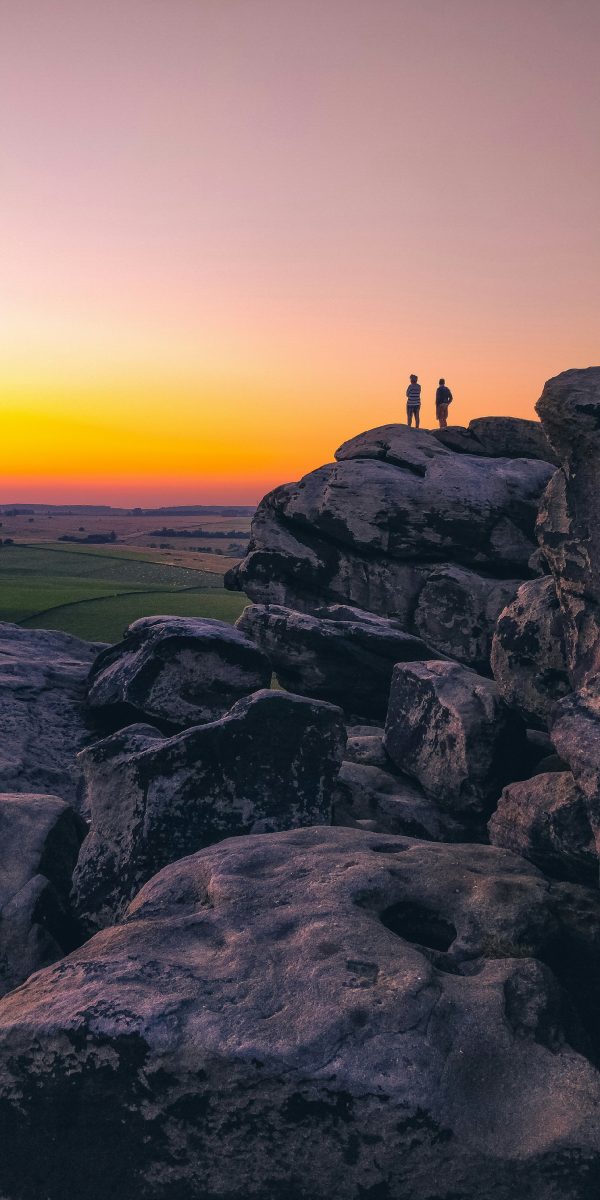
Let us begin with Healaugh Crag, which is essentially a rock but with better PR.
This is the ridge where Cathy waits for Heathcliff after he storms off in a mood so intense it has survived two centuries and several film adaptations. Standing there, you immediately understand why she didn’t just go home and make a cup of tea like a sensible person.
The rock juts out over the moor with alarming confidence, as though fully aware of its cultural importance. The wind hits you sideways. Your hair immediately adopts the structural integrity of an electrical fire.
You stand there, looking out across miles of empty land, and realise there is absolutely nothing to distract you from your own thoughts. No cafés. No shops. No reassuring presence of people ordering turmeric lattes and pretending to enjoy them. Just sky. Grass. Wind. Existential reckoning.
Within seconds, you begin to feel dramatic. It is involuntary. Your breathing changes. Your posture shifts. You start staring into the distance like someone who has just discovered betrayal in its purest form. This is extremely inconvenient if you arrived in sensible walking gear and intended to remain emotionally balanced. You will fail.
Old Gang Smelting Mill
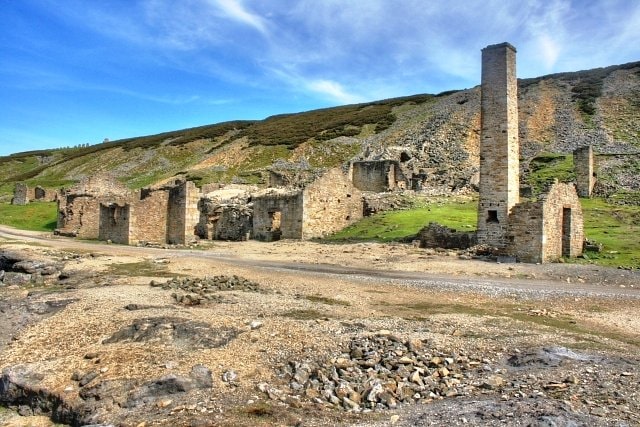
Next, Old Gang Smelting Mill, which sounds industrial but is actually romantic in a deeply alarming way.
These ruined stone buildings sit quietly in the landscape like they’ve seen things. Which they have. Specifically, Cathy and Heathcliff growing up into emotionally catastrophic adults.
The mill itself dates back to the 18th century, and it looks exactly how you would expect: grey, weathered, and faintly judgemental. Walking around it, you feel a strange mix of admiration and concern. Admiration for its endurance. Concern that prolonged exposure may cause you to develop feelings.
There is something about ruins that strips away your usual protective cynicism. You stop thinking about emails. You stop thinking about deadlines. You start thinking about mortality. And emotional damage. And whether you’ve ever truly loved anyone, or merely liked them a lot while maintaining exit strategies. This is not what most people want from a day trip. And yet it is strangely compelling.
Booze Moor
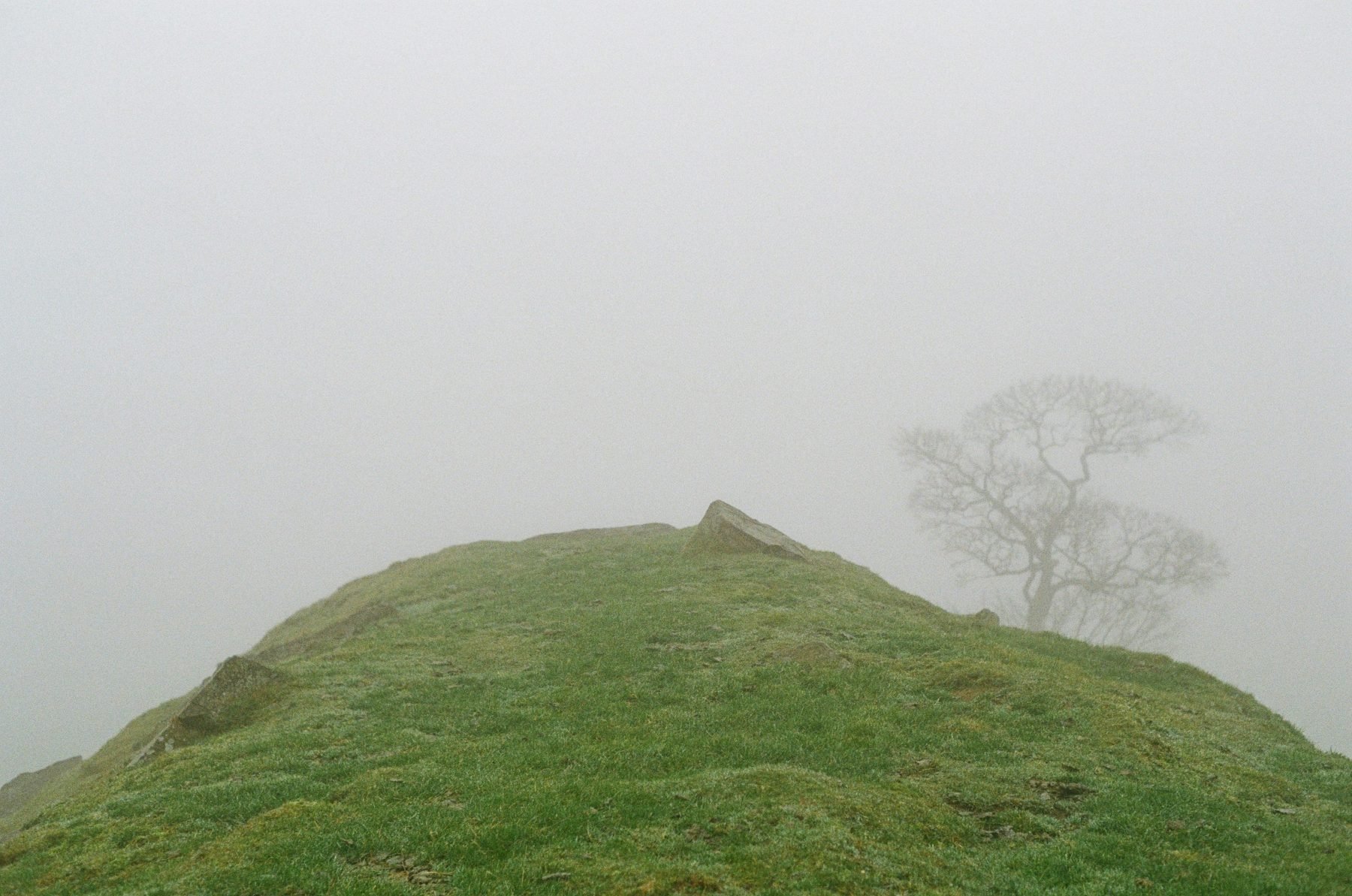
Booze Moor sounds like somewhere you would go on a hen’s weekend. It is not. There is no booze. There is no music. There is only moor. This is where Cathy and Heathcliff roam freely in the film, behaving like two people who have never once paused to consider long-term consequences. The landscape is vast and empty, which gives you an unsettling sense of personal exposure. You are visible here. Not to other people, but to yourself.
This is much worse. You begin walking normally. After a few minutes, you find yourself striding purposefully, as though on your way to confront someone about something deeply important. You have no idea who. Or what. Or why. But the moor encourages this behaviour. It rewards emotional escalation. You may feel an urge to run. Or shout. Or reconsider your entire life. This is normal. It is the moor working as designed.
Knole House
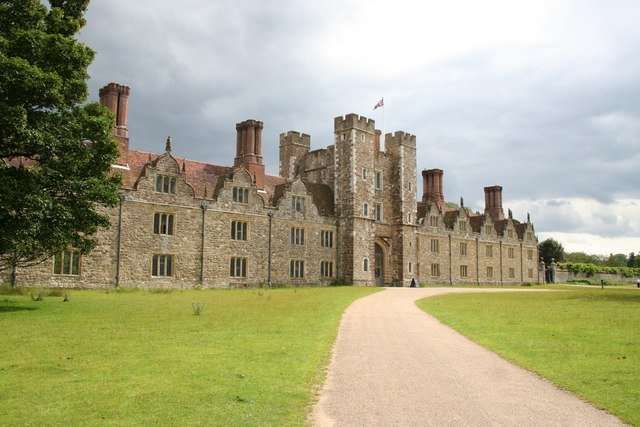
Knole House is enormous. Not “large,” but “you could lose a minor aristocrat in here and not notice for weeks” enormous. This stately home was used for key scenes in the film, including betrayals and elopements, both of which benefit greatly from high ceilings and an atmosphere of quiet disapproval.
Walking through Knole House, you become acutely aware of your own inadequacy. The furniture is antique. The walls are historic. Even the air seems expensive. You instinctively stop touching things. You stop breathing normally. You become deeply concerned about your posture.
You imagine living here and realise you would never relax. You would spend your entire life apologising to chairs. Outside, deer roam freely across the grounds, embodying a level of emotional stability completely absent from the human characters associated with the place.
Bridestones Moor
Bridestones Moor contains rock formations that look as though they were sculpted deliberately to maximise personal reflection. They rise from the ground in strange, bulbous shapes, softened by centuries of wind. They appear calm. Accepting. Slightly wiser than you. Walking among them, you feel both insignificant and deeply understood. This is unsettling.
The silence is total. There are no distractions. No interruptions. No opportunities to scroll through your phone and temporarily forget yourself. You are alone with your thoughts. Which is, historically, where things begin to go wrong. And yet, it is beautiful. Profoundly so. You feel clearer here. More honest. Possibly colder. But more honest.
Haworth and the Brontë Parsonage
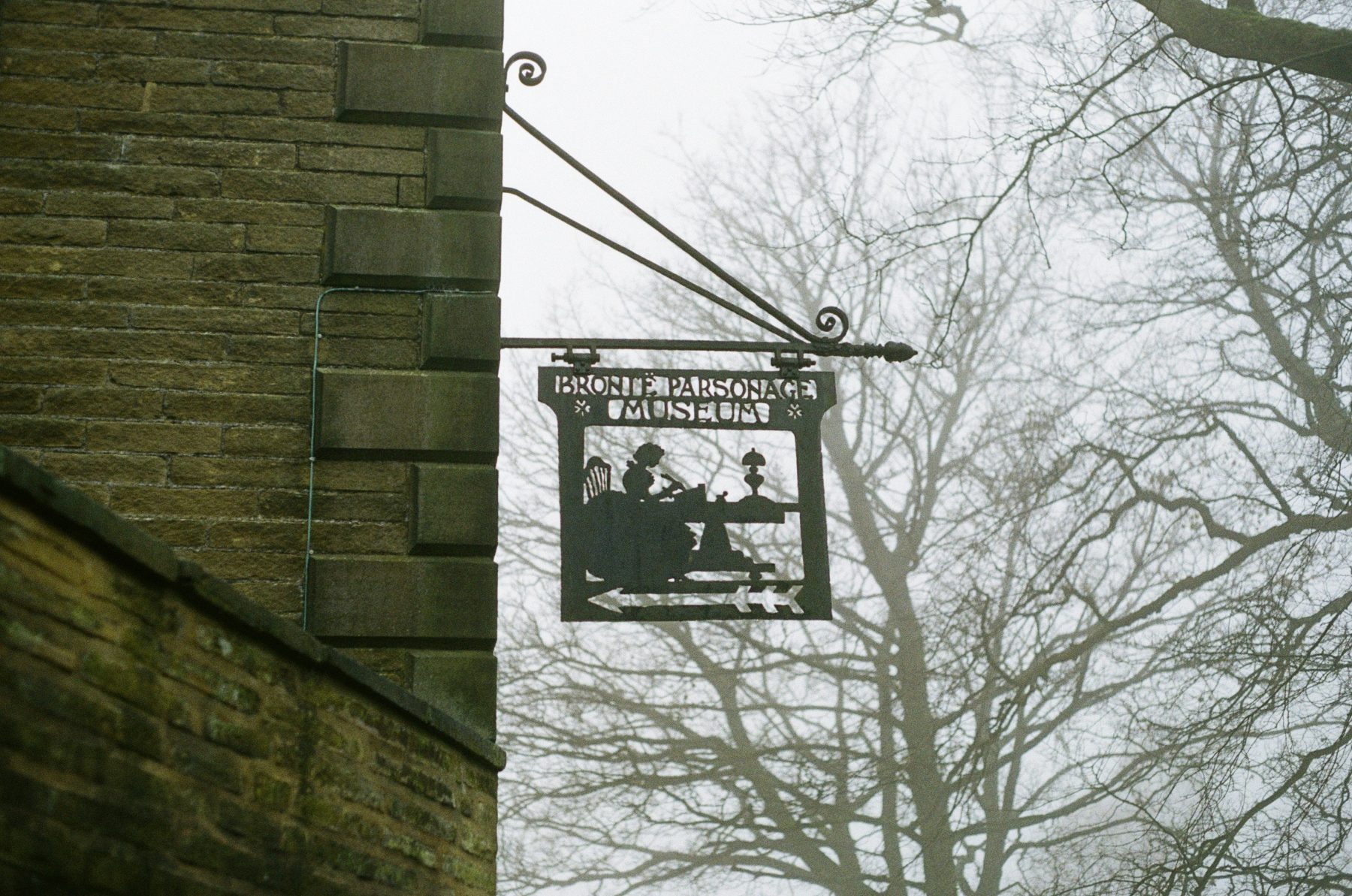
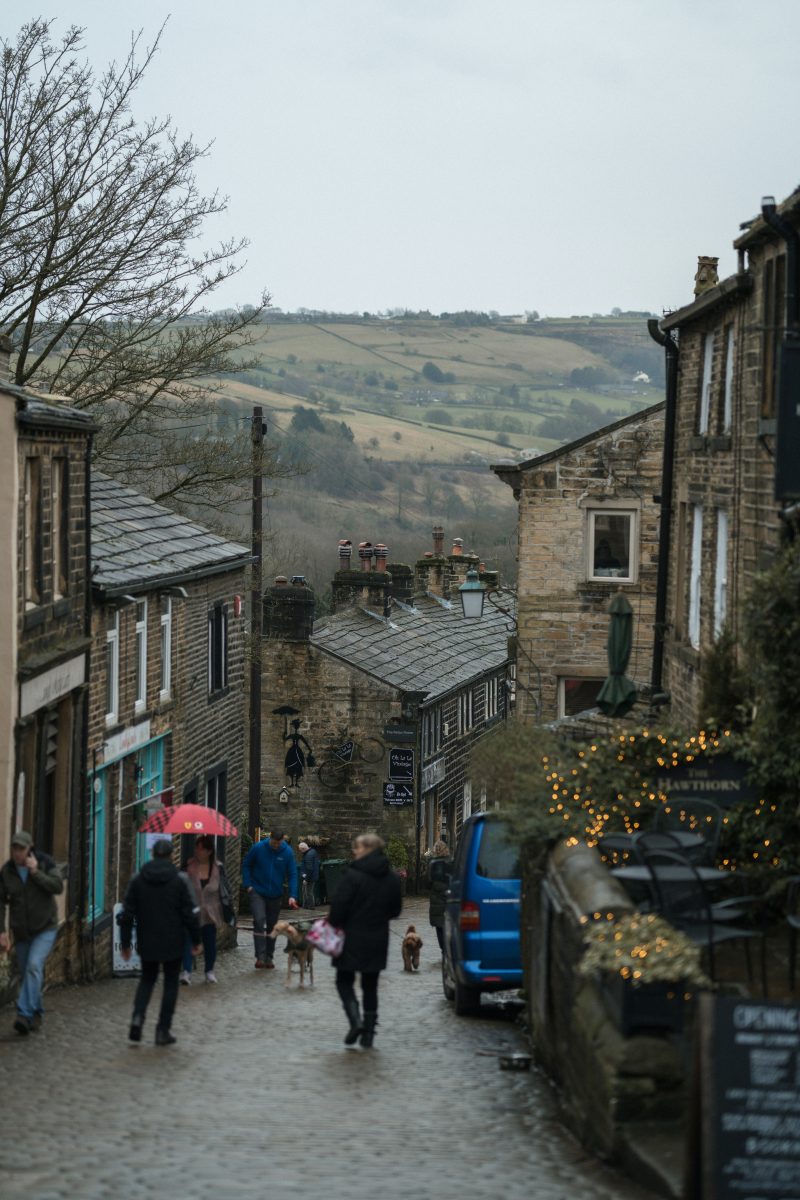
Haworth is charming in a way that feels almost suspicious. The village is filled with bookshops, cafés, and people who appear to have accepted their emotional fragility as a lifestyle choice. The Brontë Parsonage itself is modest, which is shocking when you consider the level of psychological damage produced there.
This is where Emily Brontë wrote Wuthering Heights. Sitting at a small desk. In a small room. With apparently unlimited access to existential despair. It proves that you do not need dramatic surroundings to create dramatic work. You only need imagination. And possibly unresolved issues.
From Haworth, you can walk to Top Withens, the ruined farmhouse believed to have inspired Wuthering Heights itself. The walk is beautiful. And muddy. And longer than you expect. When you finally reach the ruins, they appear suddenly against the skyline, stark and lonely. You understand immediately. This is where everything makes sense. Not logically. Emotionally. Which, in the end, is the only way Wuthering Heights has ever made sense at all.
Final Advice for the Sensible Traveller
Bring proper shoes. The moors have no sympathy for inappropriate footwear.
Bring a jacket. The weather is emotionally aligned with betrayal.
Most importantly, accept that you will not leave unchanged.
You will return home slightly quieter. Slightly more thoughtful.
And faintly aware that somewhere, beyond your daily routines and practical responsibilities, there exists a windswept rock where waiting still feels like the most important thing in the world.
Even if you now know it absolutely isn’t.


