

Review: Eugene Onegin at the Sydney Opera House
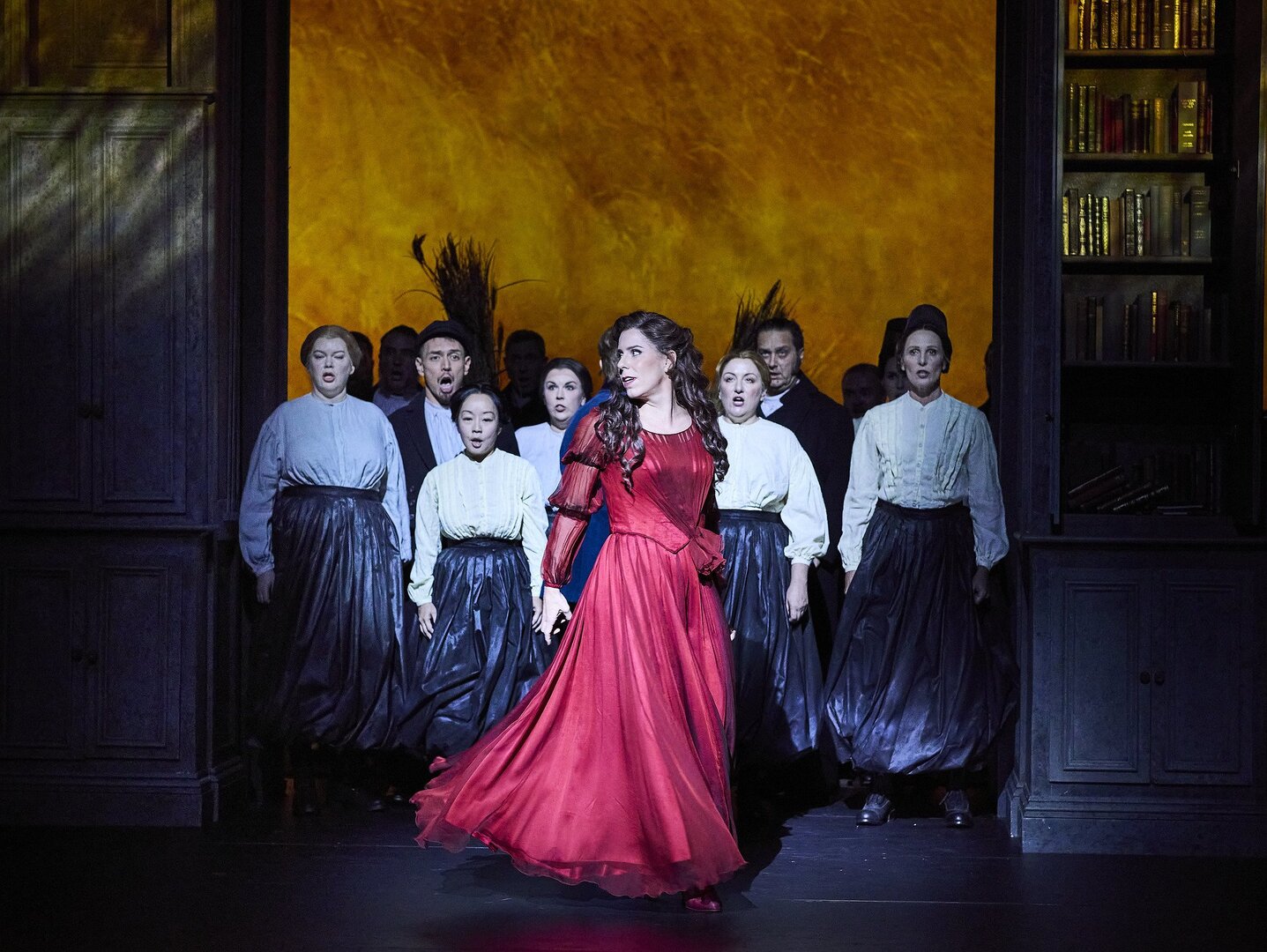
Opera Australia’s Eugene Onegin. The Ultimate Swipe Left Catastrophe
Saturday night in Sydney was suffering from an acute attack of cultural congestion. The Matildas had the city in a patriotic flutter after making the AFC Women’s Asian Cup final. The Biennale was luring people toward worthy installations involving, one assumes, suspended twine and moral urgency. The South Australian election was also unfolding for those who enjoy their drama in the form of preference counts and grim men in ties. And yet the Sydney Opera House was packed. The forecourt swarmed with tourists, opera regulars, elegant women in excellent coats and the occasional bewildered husband with the expression of a man who had been promised “a nice night out” and was now confronting Russian tragedy. Even under an overcast sky, Eugene Onegin had drawn a crowd, which says something for Tchaikovsky, Pushkin and the enduring public appetite for emotional catastrophe in formalwear. The work is on at the Joan Sutherland Theatre until 28 March, performed in Russian with English surtitles.
Eugene Onegin is an opera about being smug at the wrong time
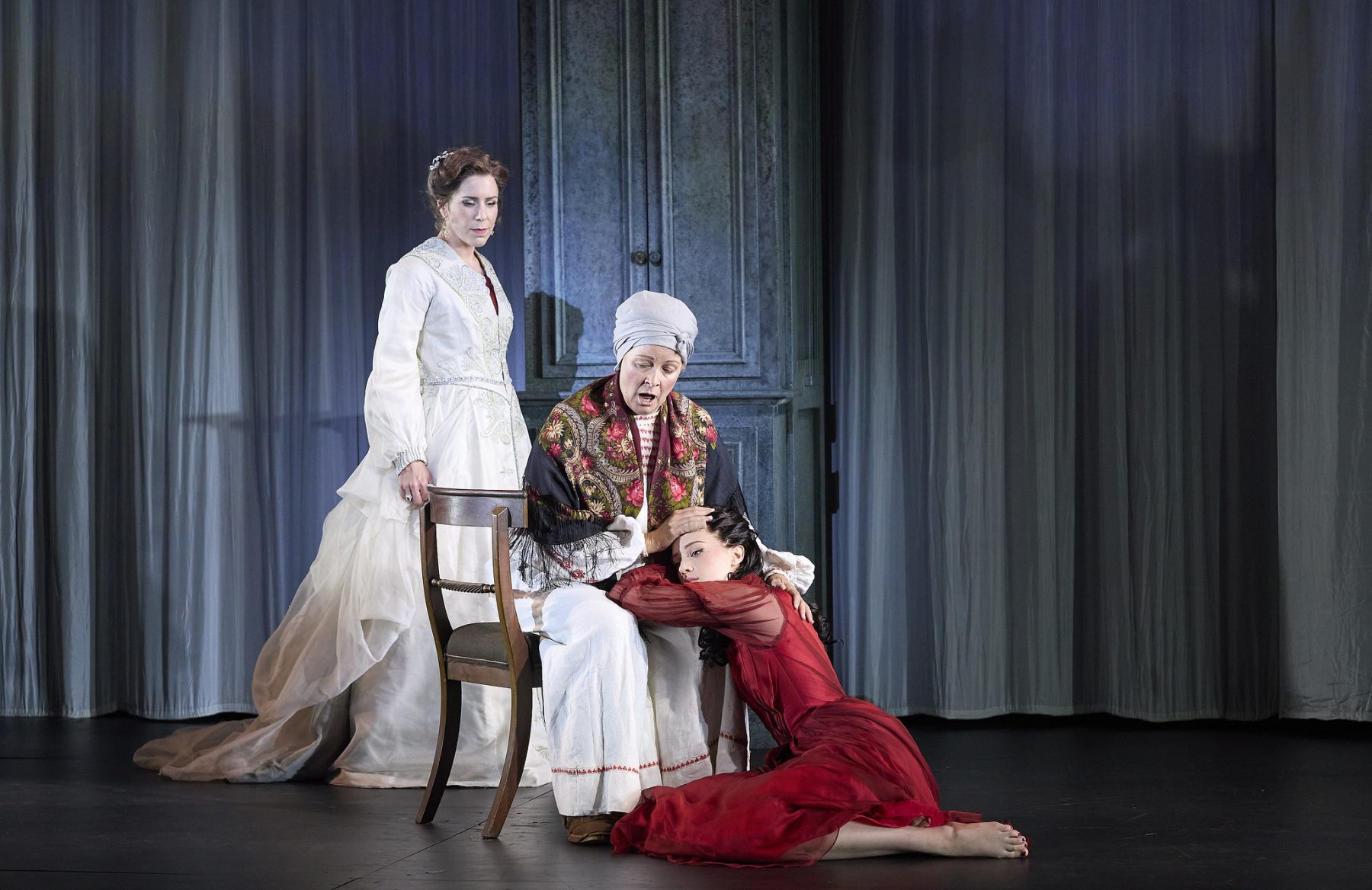
And what a catastrophe it is. This is, at heart, the story of a man who commits the kind of romantic error that would get him torn to shreds in any modern group chat. A thoughtful young woman falls in love with him. He responds with the emotional generosity of a slab of wet granite. Time passes, lives are ruined, dignity is dented, a duel goes badly, and eventually he discovers that the woman he coolly dismissed has become magnificent and unattainable. In other words, Eugene Onegin is an opera about the long-term consequences of being smug at exactly the wrong moment.
A coup in dancing at the opera
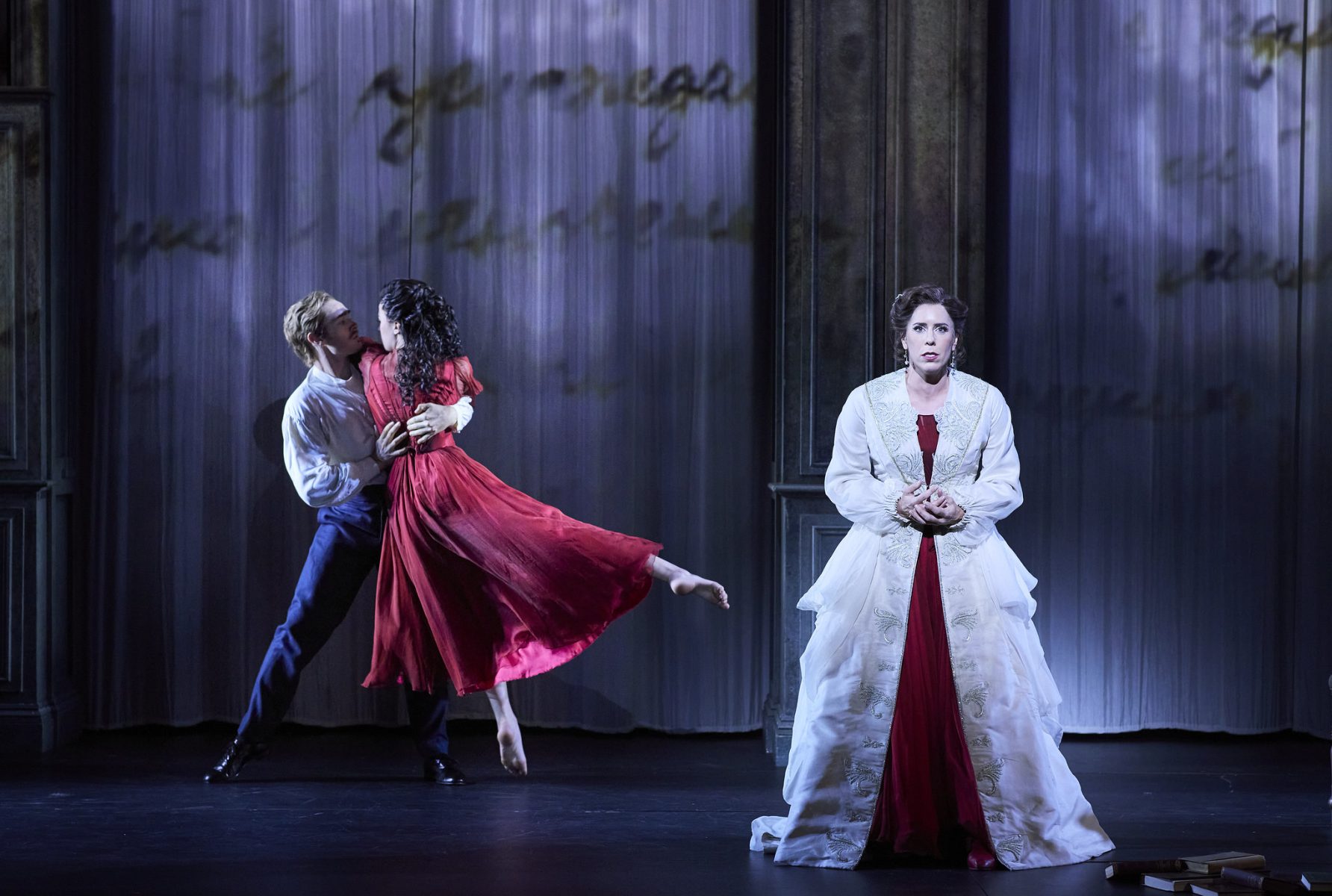
Opera Australia’s production understands that this is an autopsy of regret. The great coup here is the use of dancers as the younger selves of Tatyana and Onegin, which could have been ghastly in the wrong hands. One can easily imagine some hideous directorial indulgence in which everyone flaps about meaningfully while the audience studies the program in search of clues. But this is done with delicacy and purpose. The older characters seem to watch their younger selves stumbling into disaster with the helpless horror of people forced to witness the worst decisions of their lives in high definition. It gives the evening a mournful, memory-soaked quality, as though everyone is trapped inside the world’s most expensive bad recollection.
Lauren Fagan as Tatyana
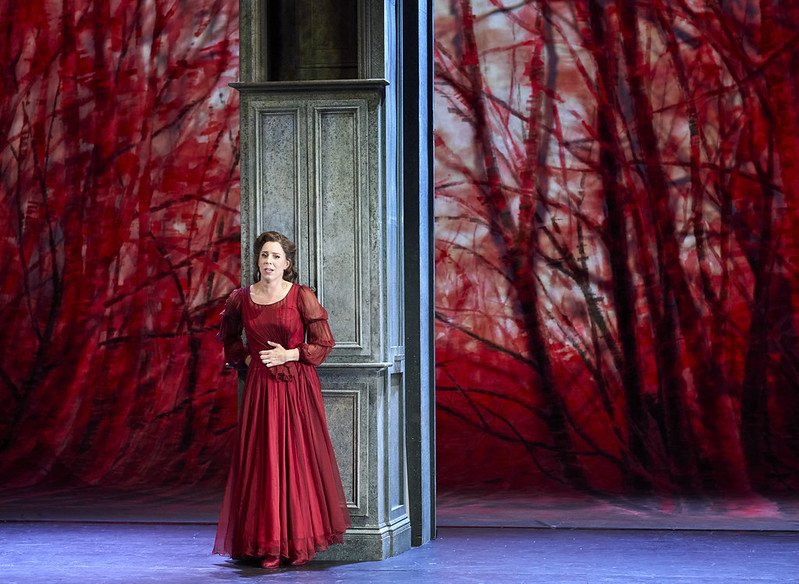
Lauren Fagan is superb as Tatyana, and the role sits on her like a crown. She begins as a young woman all inward fever and romantic susceptibility, the sort of person who reads too many books and is therefore catastrophically unfit for contact with actual men. Her great letter scene is the dramatic heart of the evening, and Fagan gives it splendid shape and intensity. She never turns Tatyana into a simpering fool. Instead, she lets us see the bravery in that impulsive confession, the alarming nakedness of it, the sheer appalling risk. By the final scenes she has become something far more formidable, a woman who has suffered and acquired the kind of poise that makes former idiots tremble.
Andrei Bondarenko as Onegin
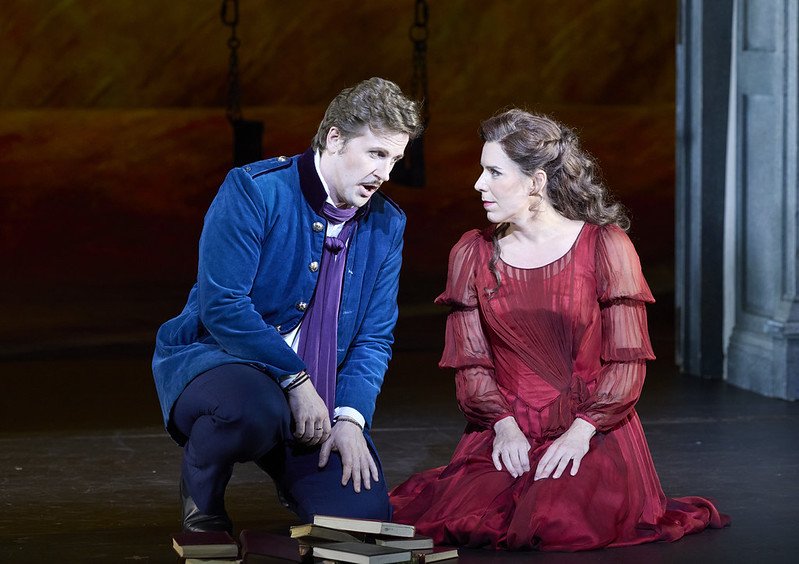
Andrei Bondarenko’s Onegin is properly infuriating, which is as it should be. He carries himself with the polished boredom of a man who has been told too often that he is interesting. At first he is all detachment and cultivated weariness, emotionally upholstered against anything genuine. But Bondarenko is too intelligent a performer to make him merely a cad. He shows us the spiritual decay beneath the pose, then gradually allows panic and desire to seep through. By the time Onegin finally wakes up to what he has destroyed, the effect is almost painful. One is reminded that self-knowledge often arrives late, overdressed and entirely unhelpful.
Nicholas Jones as Lensky
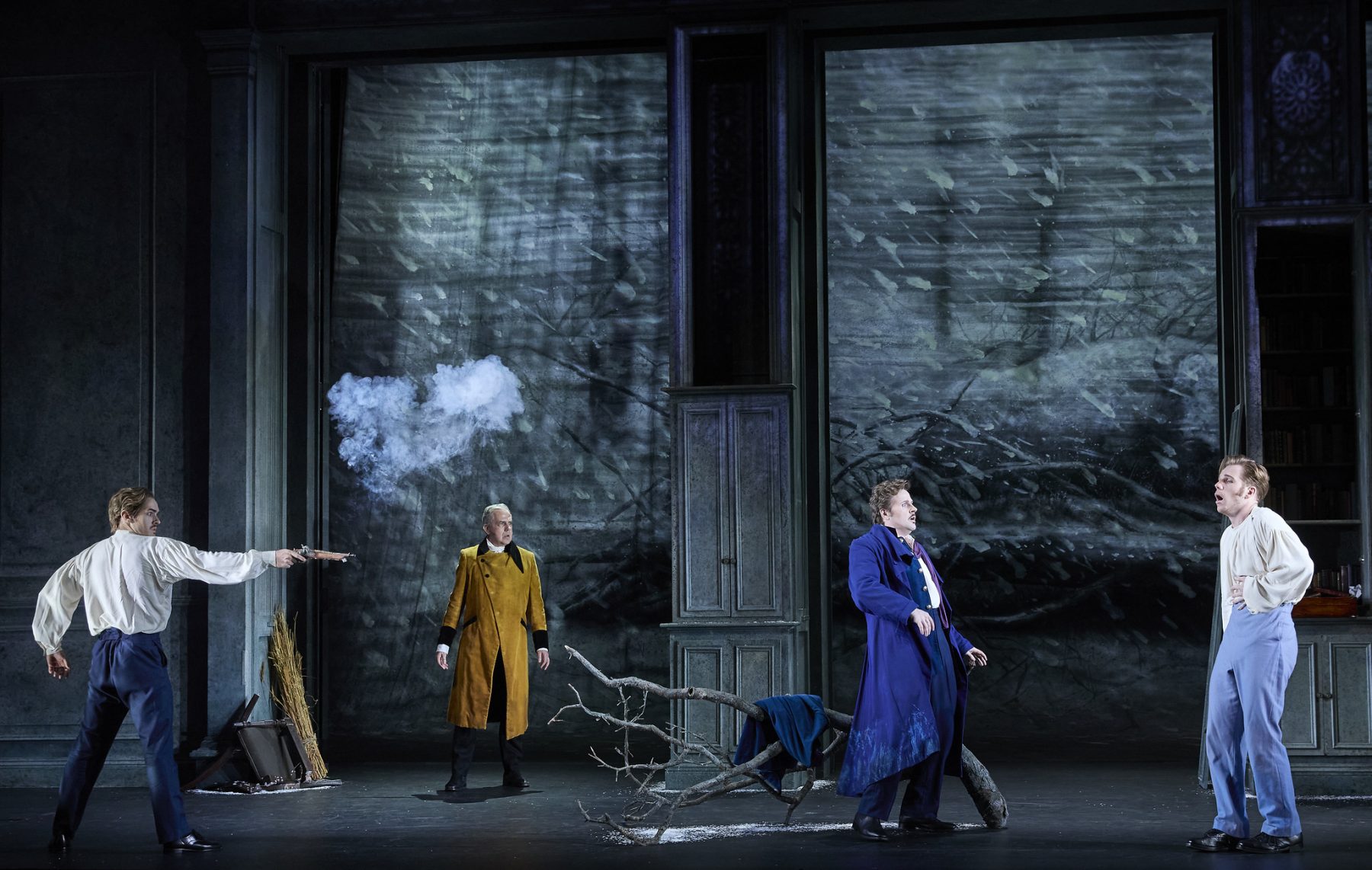
Nicholas Jones gives Lensky a touching lyrical sincerity, which makes his fate seem especially cruel. He is the sort of young poet who ought to be kept away from pistols, champagne and male pride, though of course opera never allows such sensible precautions. Sian Sharp brings brightness and ease to Olga, and David Parkin’s Gremin offers depth, solidity and adult dignity, a devastating contrast to Onegin’s decorative uselessness.
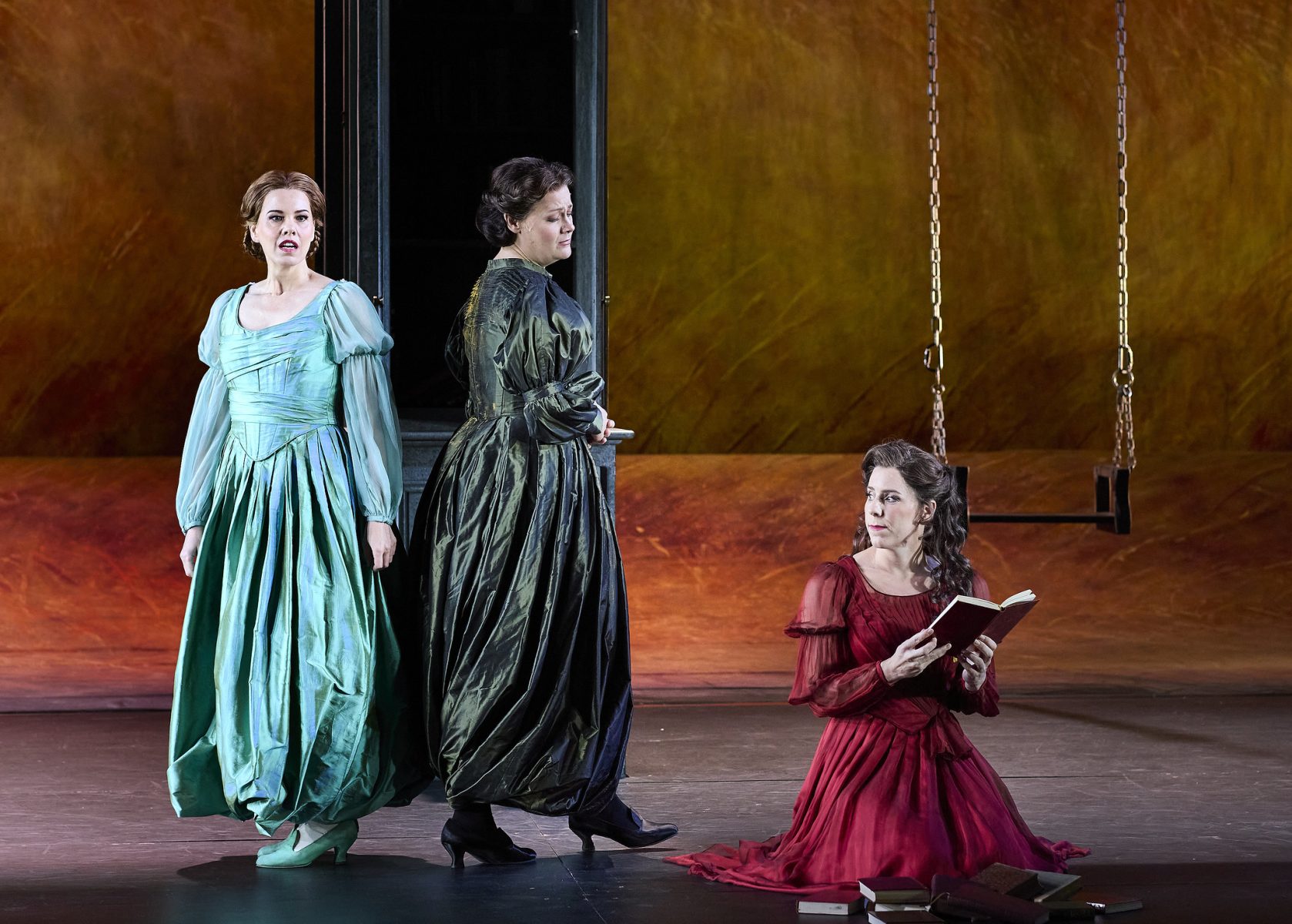
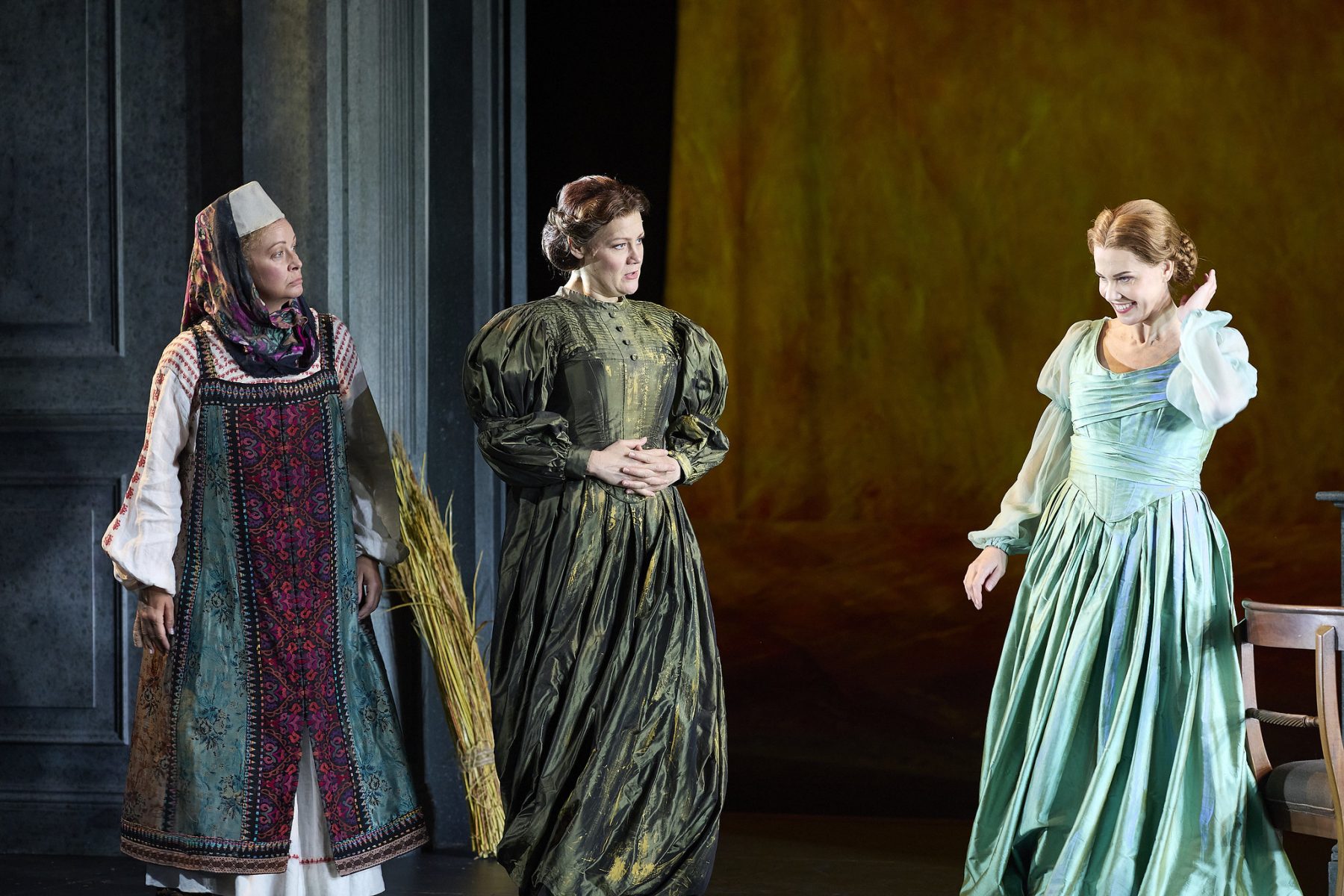
The staging is handsome and intelligent. The set creates a world of doors, panels and contained spaces, all social pressure and emotional claustrophobia. The costumes do much to separate youth from the suffocating gloom around it. Brightness appears briefly, then is swallowed by decorum, which is more or less the plot. The chorus is excellent, and conductor Anna Skryleva draws rich, atmospheric playing from the Opera Australia Orchestra, with the score gathering emotional force as the evening moves from flirtation to ruin. Opera Australia lists the running time as roughly two hours and fifty minutes, including one interval, and the production’s cast is led by Fagan, Bondarenko and Nicholas Jones, with Sian Sharp and David Parkin in key supporting roles.
What remains after the final curtain is the opera’s pitiless understanding of human vanity. Eugene Onegin is about emotional cowardice and the unpleasant discovery that life does not issue refunds. This production has beauty and a sharp sense of the damage people do while trying to appear above feeling. On a Sydney night crowded with football, politics and cultural diversions, it more than justified the choice. After all, elections end, matches finish, installations get dismantled. But heartbreak in Russian has a way of lingering.
Tickets via Opera Australia now playing until 28 March 2026


